Introduction Maintaining a drug and alcohol-free environment is crucial in the aviation industry, where safety is paramount. To meet the stringent requirements set by the Federal Aviation Administration (FAA), many
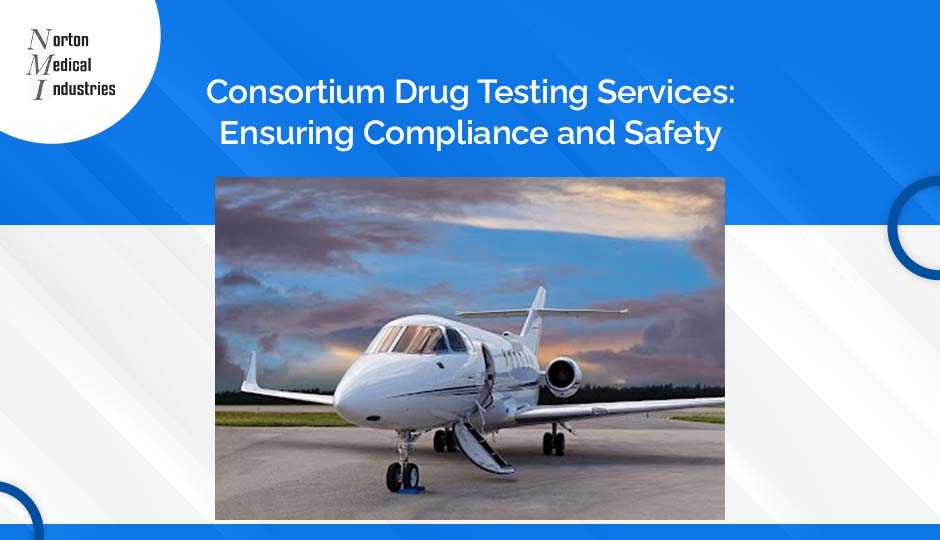
Introduction Maintaining a drug-free workplace is crucial in industries where safety and regulatory compliance are paramount. Consortium drug testing services provide valuable support to organizations in meeting the requirements set
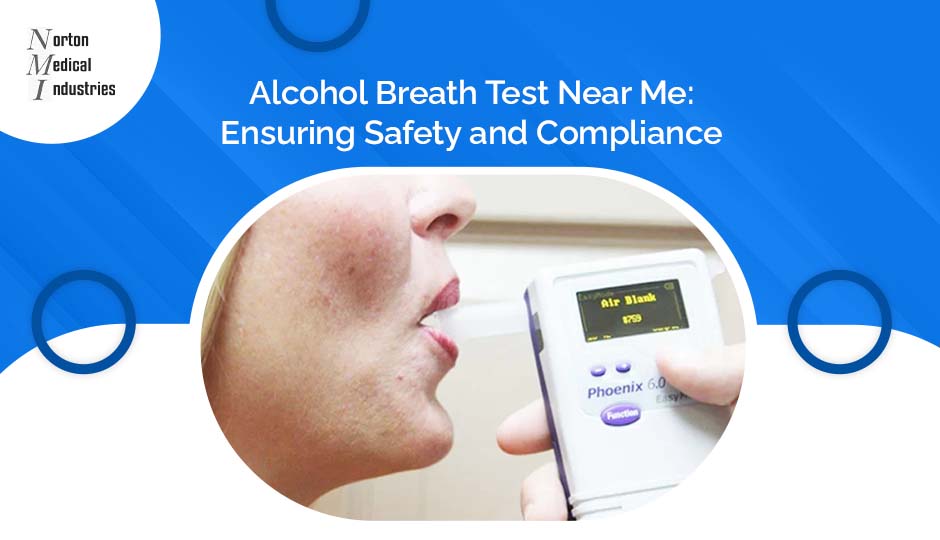
Introduction Alcohol impairment can significantly compromise safety, especially when it comes to operating vehicles or performing critical tasks. To maintain safety standards, various organizations, including the Federal Aviation Administration (FAA)
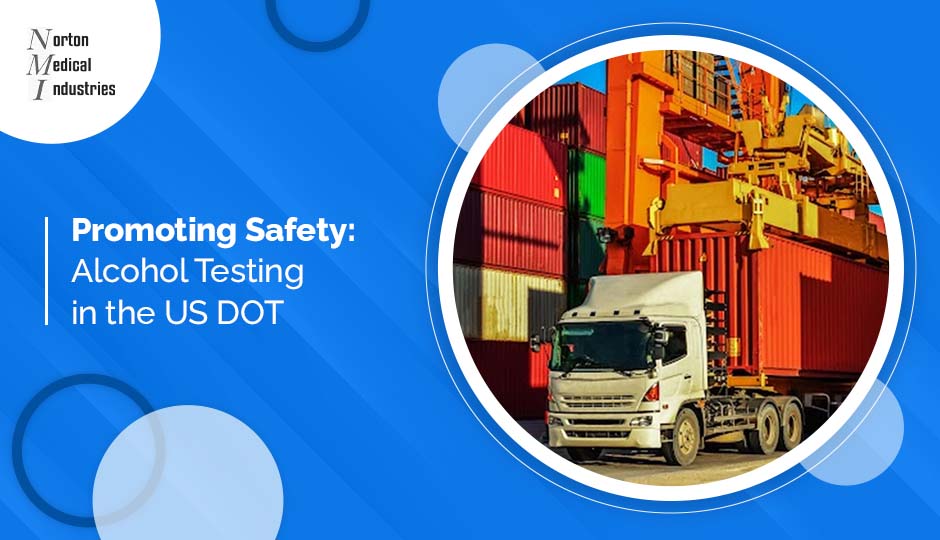
Introduction Alcohol testing plays a crucial role in ensuring the safety of drivers and the general public on the roads. The US Department of Transportation (DOT) has implemented various regulations
Introduction In today’s competitive job market, employers face numerous challenges when selecting the right candidates for their organizations. One crucial tool that employers utilize to ensure a safe and productive
In today’s safety-conscious work environment, drug and alcohol testing companies have become crucial for ensuring the well-being of employees and the public. Norton Medical Industries has taken a proactive approach
The Federal Aviation Administration (FAA) regulates the aviation industry in the United States to ensure safety and compliance with federal regulations. One of the ways that the FAA ensures safety
Norton Medical is a leading provider of drug testing services in California, as well as throughout the nation. Norton Medical’s drug testing services are designed to help companies and organizations
The Federal Motor Carrier Safety Administration (FMCSA) is responsible for regulating and enforcing safety guidelines for commercial motor vehicles (CMV) in the United States. Drug abuse is a serious problem
Drug abuse has become an alarming problem across the world. It is a complex issue that affects individuals, families, and communities. To combat this menace, many governments and organizations and
As a business owner of a FMCSA or FAA regulated company , ensuring the safety of your employees and the general public is of utmost importance. One way to achieve
Drug and alcohol testing is a critical component of maintaining safety and compliance in industries regulated by the Department of Transportation (DOT). DOT-regulated operators include trucking companies, bus companies, and
The US Department of Transportation (DOT) regulates several industries, including aviation and trucking, to ensure the safety of passengers and other road users. One of the key requirements for companies
Breath testing for alcohol is a crucial aspect of ensuring safety in the workplace, particularly for safety-sensitive workers who work as drivers and in the general industry. These workers are
The Federal Aviation Administration (FAA) has long recognized the importance of ensuring that individuals who are involved in aviation-related activities are drug-free and able to perform their duties safely. As
Drug testing in the industrial workplace is a common practice in many states, including California. The purpose of drug testing is to ensure that employees are not under the influence
When it comes to hiring new employees, many recruiters and staffing agencies require drug testing to ensure that potential hires do not use illegal substances that could impair their
Alcohol testing is crucial in ensuring the safety of everyone on the road. In the United States, driver alcohol testing services are conducted to determine whether or not a
Norton Medical is a responsible and capable provider of comprehensive drug and alcohol testing programs. They offer complete testing solutions that include preliminary alcohol testing, pre-employment drug tests, and
As a provider of comprehensive alcohol and drug testing programs, Norton Medical understands the importance of ensuring that safety-sensitive employees are fit for work. Bus drivers are an integral
Marijuana, commonly known as weed, has been a topic of controversy for decades in the United States. With the legalization of marijuana in some states, there is still confusion
The United States Department of Transportation (DOT) plays a critical role in ensuring the safety of travelers and the general public by enforcing drug and alcohol testing regulations for companies
Drug and alcohol testing is an essential requirement for many industries to ensure a safe and productive workplace. These tests are usually conducted by professional drug and alcohol testing companies.
Pre-employment drug testing is a requirement in many industries, including aviation. The Federal Aviation Administration (FAA) requires drug testing for all employees who hold safety-sensitive positions, including pilots, air traffic
Forensic alcohol testing is a process that is used to determine the presence and concentration of alcohol in a person’s system. This testing is typically done for legal or employment
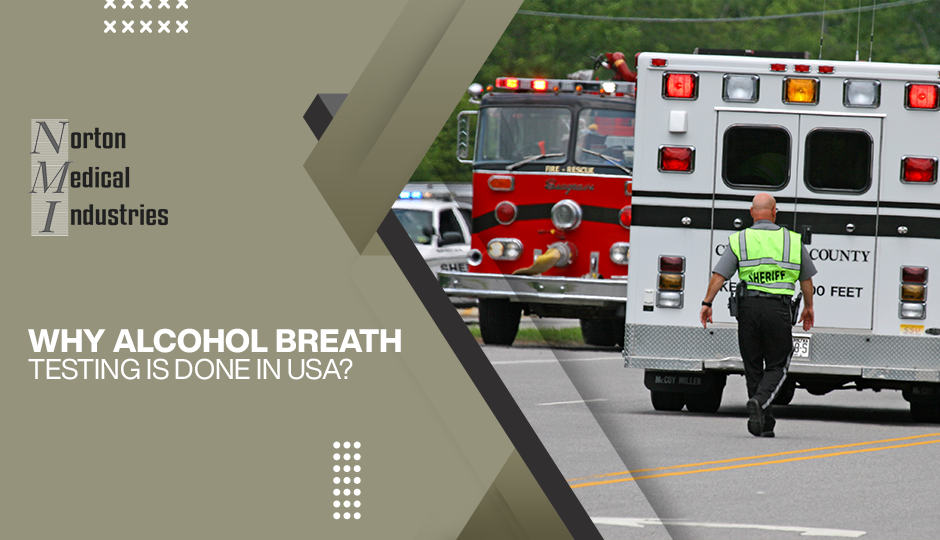
Breath Alcohol Test for Employment In the United States, alcohol breath testing is a common practice that is used to test employees for the presence of alcohol in their system.
A drug testing Consortium Service is to allow small companies to participate in a full drug testing program for their employees with low cost. Norton Medical has three DOT Consortiums
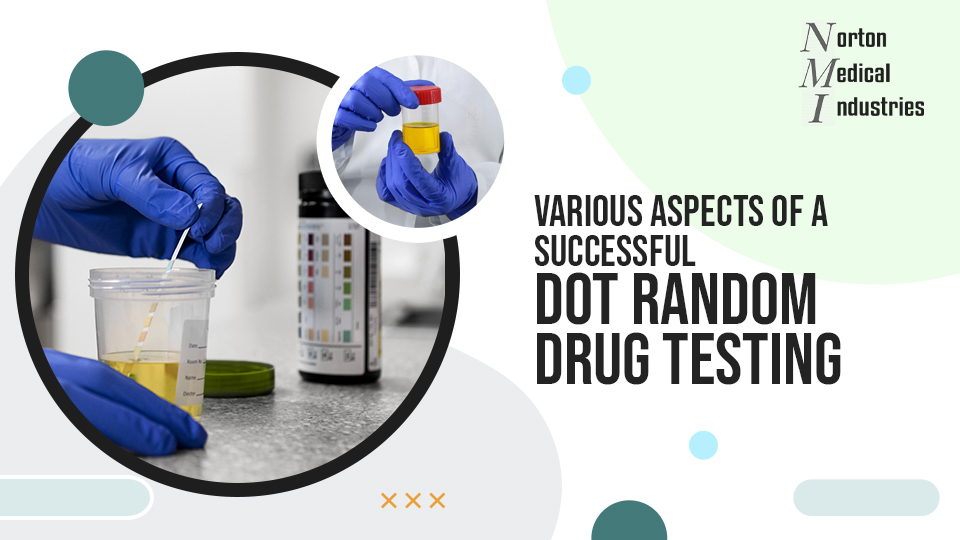
DOT drug testing programmes have proven to be a valuable asset in improving road safety. Designed to ensure that no individual with drug or alcohol problems is allowed to drive
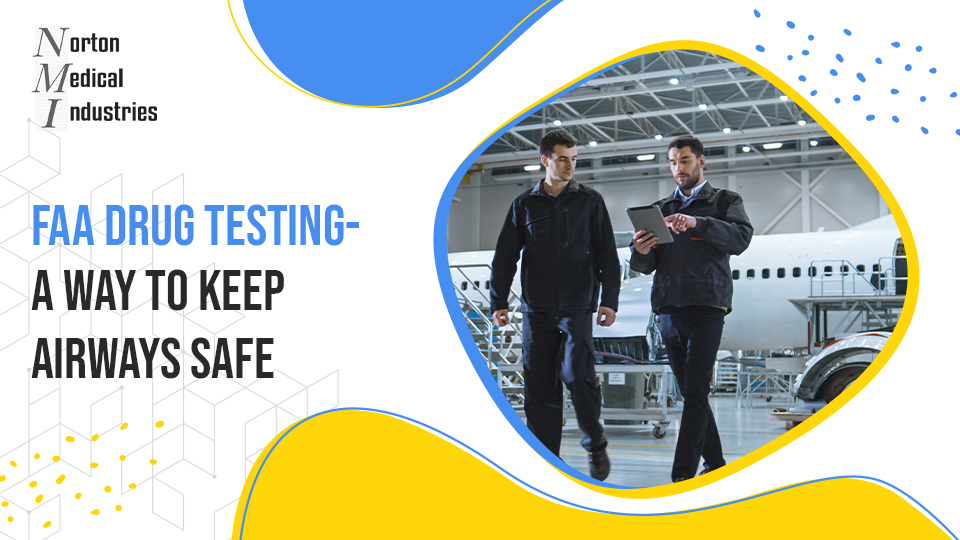
Airways are becoming a prominent means of transportation and something a large number of people are opting for. Not only does it save time, but it is also a convenient
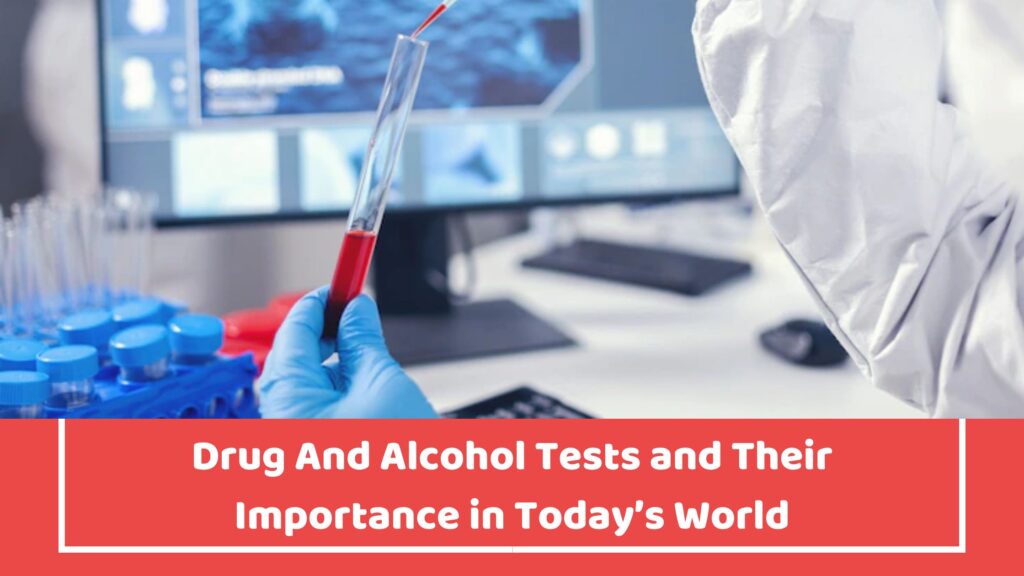
It has been found in a national drug-free workplace alliance report that around 74% of illegal drug users are employed. Furthermore, 65% of on-the-job accidents are attributed to the employee’s
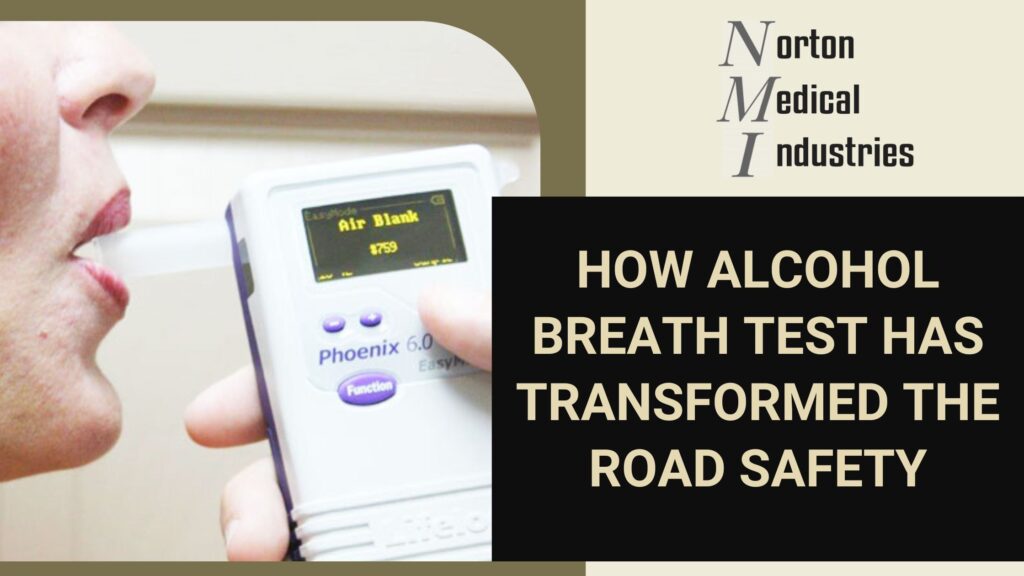
Roadways connect various parts of the countries. It is a mode of transport that has the ability to reach the outskirts of the country and go where no other can.
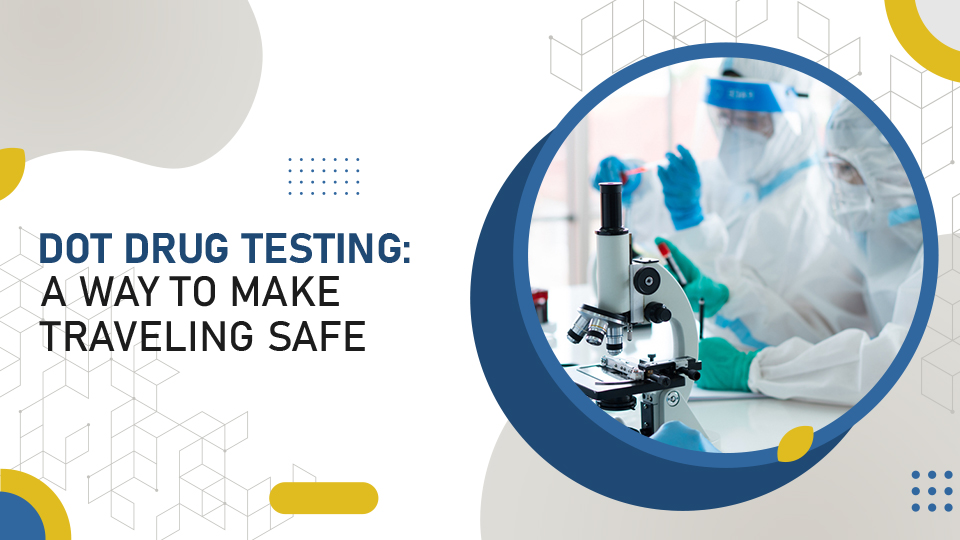
The Department of Transportation, or DOT, is the United States government’s federal agency dedicated to making transportation safer for each and every individual out there. As a result, to target
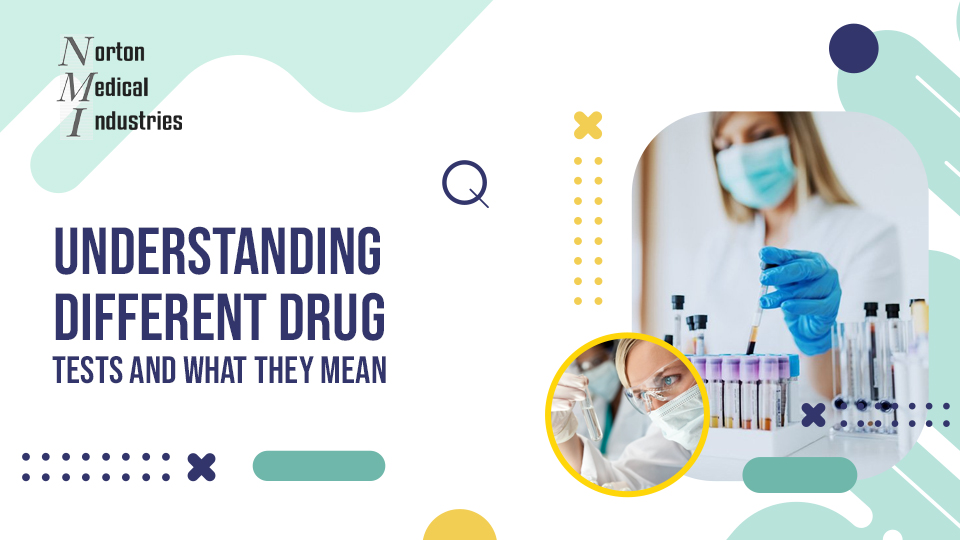
Drug testing is associated with a variety of medical terms and has a number of legal implications. Therefore, for an individual who is unaware of these terms, it can get
A safer workplace is a must for every individual, and to achieve that, most organisations opt for services that can offer preliminary alcohol tests and employment drug testing in California. A
Drug testing rules can be complicated for many, as they require a level of medical understanding along with compliance with federal, state, and local laws. Therefore, it becomes a very
In modern society, most individuals spend a lot of time working. Therefore, it is essential to make sure that the workplace is a safer place to be. One of the
DOT drug testing is a mandatory federal requirement put in place to ensure the safety of workers and individuals across the country. As a result, understanding a bus drug test
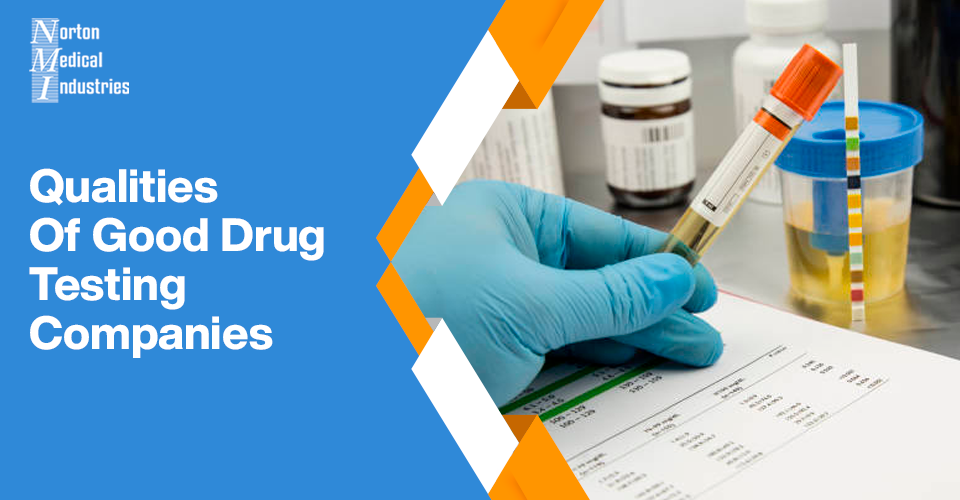
Looking for companies that conduct drug tests in California? Thanks to the internet, a quick search for “Alcohol certification California test companies” or “Companies that drug test in California ”
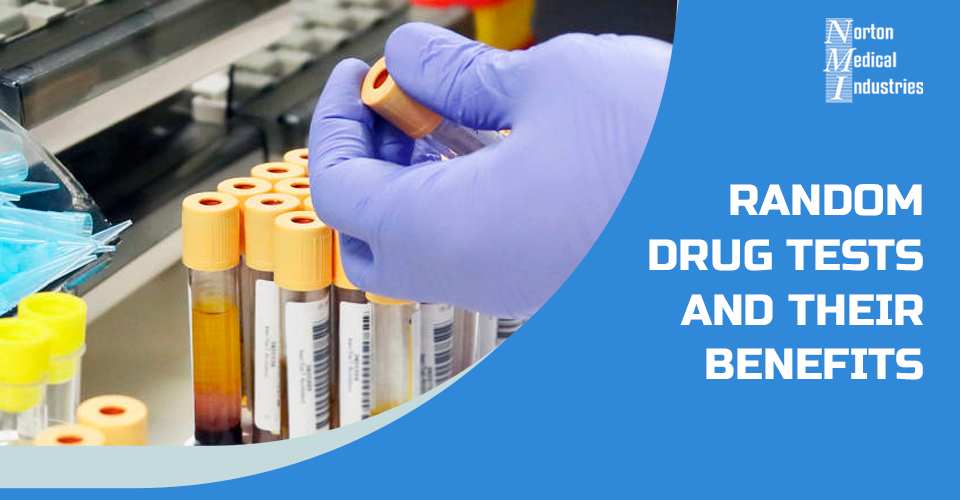
In modern-day scenarios, Random drug tests and breath alcohol tests have become a routine process in the selection process of employees. Random drug and breath alcohol tests at the
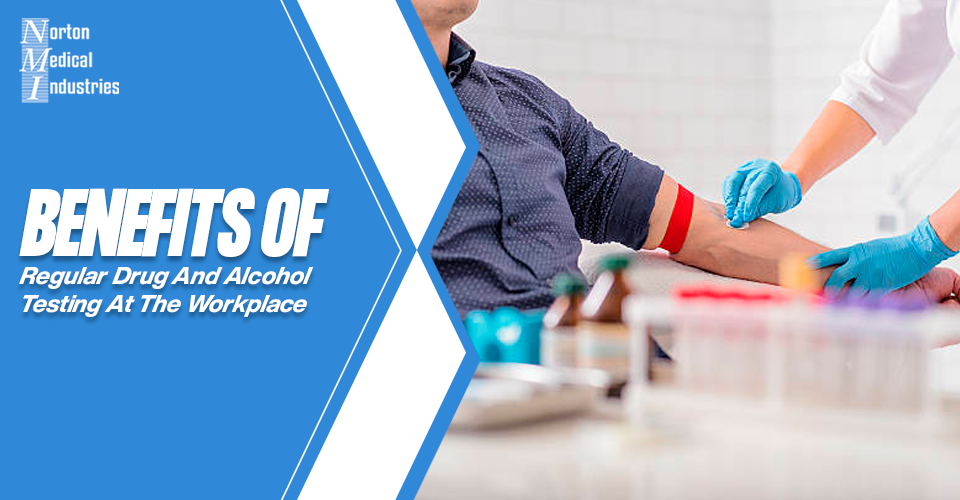
Humans spend a large amount of their life working. As a result, safety in the workplace is something that can not be neglected. It has been found that alcohol and
Copyright © 2019 Norton Medical Industries. all rights reserved.